




The Importance of Layering in Art and Bodywork for Creative Growth
- Brian Riley LMT

- Mar 11
- 3 min read
Creative work often unfolds in cycles. Sometimes we push forward, other times we pause and return with fresh eyes. Over the past week in my studio, I found myself revisiting a painting I began about six months ago. This process of stepping away and coming back is essential for growth, both in art and in bodywork. It allows ideas and understanding to deepen, revealing what the work truly needs to become.
This blog explores how layering plays a vital role in creative growth, drawing parallels between painting and bodywork. Both disciplines involve patience, observation, and gradual transformation. By embracing layers, we open ourselves to new perspectives and richer experiences.
Returning to Unfinished Work
Many artists and creators know the feeling of leaving a project unfinished. Years ago, a songwriter friend told me she kept songs tucked away in her dresser drawers, waiting for life to provide the missing pieces. This waiting period is not wasted time. It is a necessary part of the creative process.
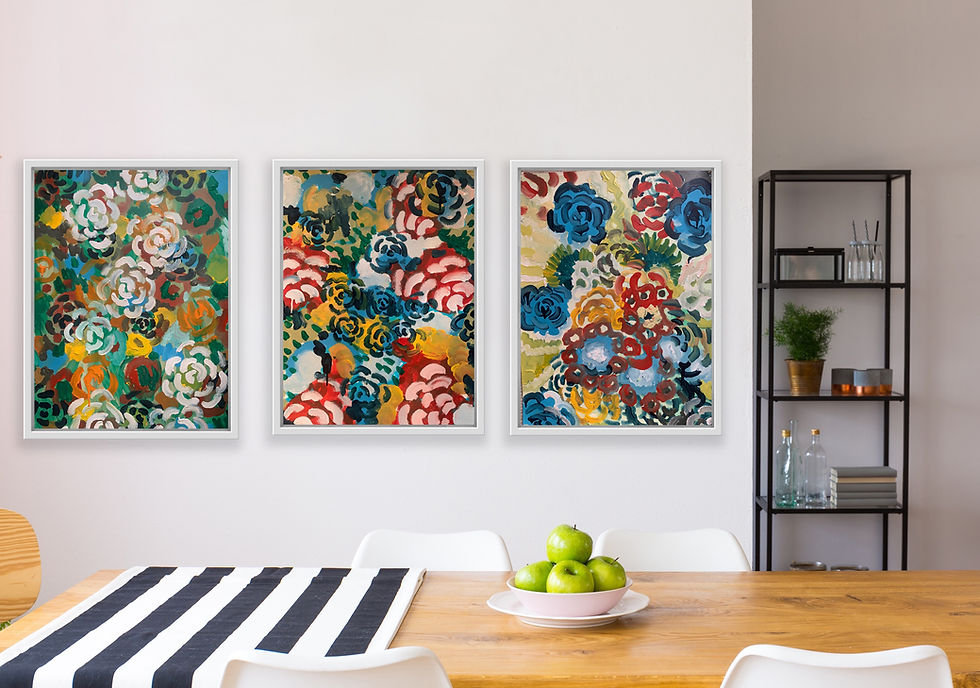
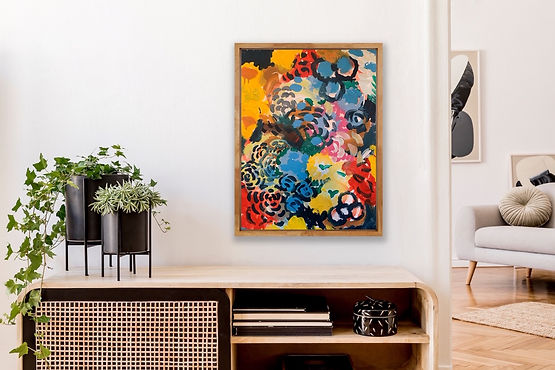
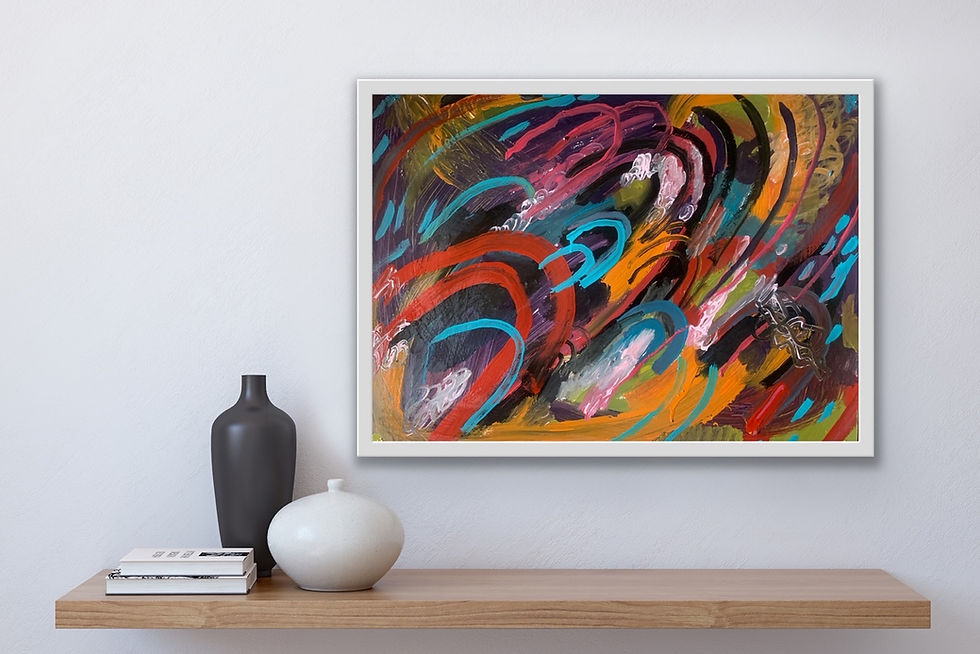
When I return to my painting after months, I see it differently. The layers of paint, the textures, and the colors interact in new ways. I no longer observe the piece from a distance. Instead, I feel like I am moving within the abstract space itself. This shift in perspective allows me to add details that resonate more deeply with my original intention.
This experience mirrors the way bodywork unfolds. When I meet a new massage client, the first session is like hiking through unfamiliar terrain. I learn about their body’s landscape, its tensions and rhythms. Each subsequent session reveals more layers beneath the surface, allowing for deeper connection and healing.
Layers in Art: Building Depth and Meaning
Layering in painting is more than applying paint on top of paint. It is about building depth, texture, and emotion. Each layer interacts with the ones beneath it, creating complexity and richness.
This process requires patience. Sometimes a layer must dry or settle before the next can be added. Other times, a layer is partially removed or altered to reveal what lies underneath. This back-and-forth creates a dynamic surface that invites viewers to explore.
For example, in my recent painting, I initially blocked in broad shapes and muted colors. Returning after months, I added vibrant strokes and delicate details, bringing the composition to life. The painting evolved naturally, guided by the layers already present.
Layers in Bodywork: Discovering the Hidden Landscape
Bodywork also involves working through layers—muscle, fascia, energy, and emotion. Each session uncovers new information about the client’s body and needs.
When I work with a new client, I focus on understanding their unique landscape. This includes:
Areas of tension or restriction
Patterns of movement and posture
Emotional or energetic blocks
With time, trust builds, and the sessions flow more intuitively. A longtime client recently shared how our work together has deepened over the years. We understand each other’s rhythms, and the sessions feel effortless yet profound.
This layering process allows for gradual release and transformation. Just as paint layers reveal new colors and textures, bodywork layers reveal new sensations and healing opportunities.

5ft x 5ft acrylic on canvas
2026 available for purchase

How Layering Supports Creative Growth
Layering encourages patience and openness. It teaches us to accept that creative work is rarely linear or immediate. Instead, it unfolds in stages, each building on the last.
Here are some ways layering supports growth:
Encourages reflection: Stepping away allows ideas to mature.
Invites experimentation: Layers can be added, removed, or altered.
Builds complexity: Multiple layers create richer, more nuanced work.
Deepens understanding: Revisiting work reveals new insights.
Fosters connection: In bodywork, layers reveal physical and emotional patterns.
Both art and bodywork benefit from this approach. They require time and attention to detail, and reward those willing to explore beneath the surface.
Finding Balance Through Layering
Layering is also about balance. In painting, too many layers can overwhelm a piece, while too few can leave it flat. In bodywork, pushing too hard can cause discomfort, while a too-gentle approach may miss deeper issues.
The key is to listen—to the work, to the body, and to yourself. This balance allows for growth that feels natural and sustainable.
As spring approaches, I feel energized by this process. Both my painting and my bodywork practice are coming alive with new energy and insight. I look forward to welcoming more people into my studio to experience this layered approach, whether through art, bodywork, or both.


Comments