




The Overflowing Subconscious—Meditation, the Individual, the tribe and Society

In recent years, meditation has gained widespread attention for cultivating calm, focus, and well-being. Yet beyond these immediate benefits, meditation—especially as taught in many Eastern esoteric traditions—serves a deeper purpose: clearing clutter from the subconscious mind. Through silence and stillness, the meditator creates inner space, giving the subconscious time to cleanse and preventing overload. This clearing is vital for personal balance and, as our society faces increasing confusion and unrest, may hold profound implications for collective well-being.
The core of meditative practice is quieting the mind, but let’s be honest: meditation doesn’t have to look like the stock photo of someone sitting cross-legged with their eyes closed, trying (and failing) to stop thinking. That formula doesn’t fit the world we live in today. In my own life, I’ve found that massage and bodywork are as much a meditation as any breathing or sitting practice—sometimes even more. When I facilitate bodywork and touch workshops, I’ve seen people’s mental chatter slow, their emotional baggage lighten, and their bodies drop into real healing, all through the simple act of conscious, caring touch. There’s something deeply human about this. When you touch someone with intention, you’re both present. For the giver and the receiver, it’s a moving meditation—and often more accessible than sitting with your thoughts buzzing.
Bodywork as meditation also challenges us to rethink where our thoughts and influences really live. Are they tucked away in a file cabinet in our skulls? I don’t think so. Everything we absorb from the world leaves an imprint on our whole being—every single cell. Through my work at BRLMT and in my men’s group, INTOUCHMEN, I’ve seen how conscious, consensual touch pulls us out of our heads and into a full-bodied state of presence. We need to break out of the old idea that meditation is only about the mind, and start seeing meditation as something that involves the entire body. In my view, everyone should try bodywork as a form of meditation at least once. People say, “heal yourself through healing others”—and it’s real. Conscious touch is not just healing; it’s what makes us human.
In all its forms, meditation allows thoughts and emotions to arise and pass without clinging to them. Eastern wisdom holds that this process gradually cleanses the subconscious, a vast storage space for unprocessed experiences, impressions, and desires. If we don't intentionally create space in this repository, it fills up—eventually spilling over into our conscious lives. The results manifest as reactive or impulsive behaviors, words spoken without awareness, and choices made on autopilot. Through meditation/bodywork, individuals can interrupt this cycle and restore clarity and agency.
What happens when this principle extends beyond the individual? Many philosophers and psychologists, from Carl Jung’s collective unconscious to contemporary observers of mass culture, suggest that societies also have a kind of shared subconscious: a zeitgeist. This collective psyche absorbs the overflow of information, anxieties, and unresolved issues generated by millions of individuals. Just as in a single person, when this collective subconscious isn't cleared—when there is no space for reflection or integration—it fills to capacity. The result is visible in the world around us: widespread confusion, irrational public discourse, and a pervasive sense that reality itself is shifting in unpredictable ways.
Today, many people feel society has turned upside down. Questions like “Did we switch timelines?” echo across social media, reflecting a collective bewilderment at the state of the world. Places once meant for sharing ideas are now overwhelmed with algorithmic sludge. Despite technological advances and the promise of progress, many feel things aren't improving; they're becoming more chaotic. The daily flood of misinformation—”news”, opinions, “entertainment”—contributes to this overwhelm, leaving little room for genuine understanding or conscious action.
If meditation can help individuals clear their subconscious minds and act with greater awareness, perhaps society needs its own version of this practice. I’ve been exploring this for years in my bodywork group, INTOUCHMEN. The group is an exercise in both individual body-mind meditation and in cleansing group consciousness. When we’re together, the line between personal and communal healing blurs. Shared, mindful bodywork becomes a kind of communal meditation—physical, emotional, and social all at once. When we talk about society needing a collective meditative process, maybe it’s time we look beyond just group talk or shared silence, and consider the power of shared bodywork to move us toward real communal healing. While there is no simple solution, exploring and expanding touch, our original form of communication and collective mindfulness, could slow the relentless pace of modern life just enough for the crucial cleansing to begin. Each person who tends to their own inner space contributes, in a small way, to the collective's healing—but when we practice together, the effect can be even more profound.
Ultimately, meditation reminds us that creating space—within ourselves and within our communities—is not a luxury, but a necessity. By regularly clearing out what no longer serves us, we regain the ability to act consciously, speak thoughtfully, and shape a future guided by clarity and intention, not ruled by unconscious overflow.
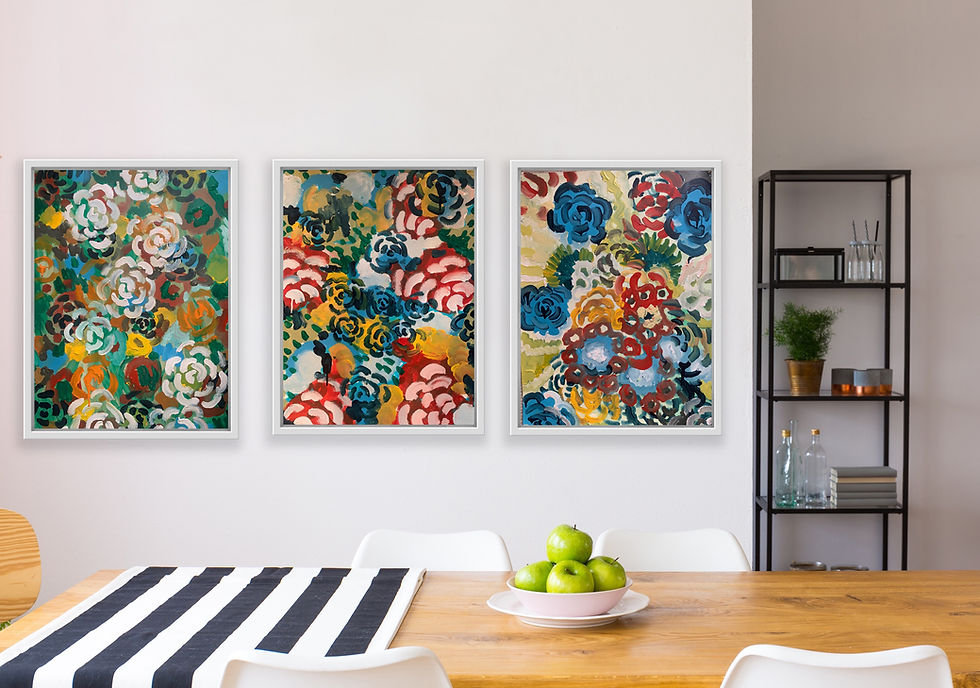
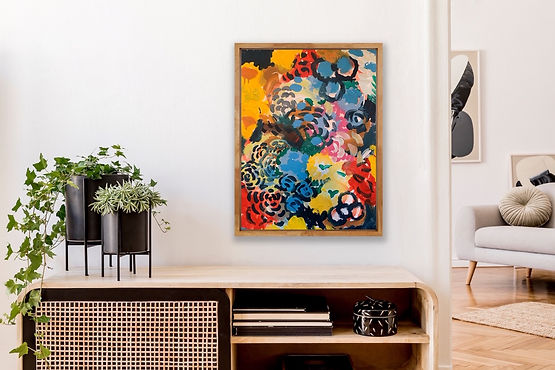
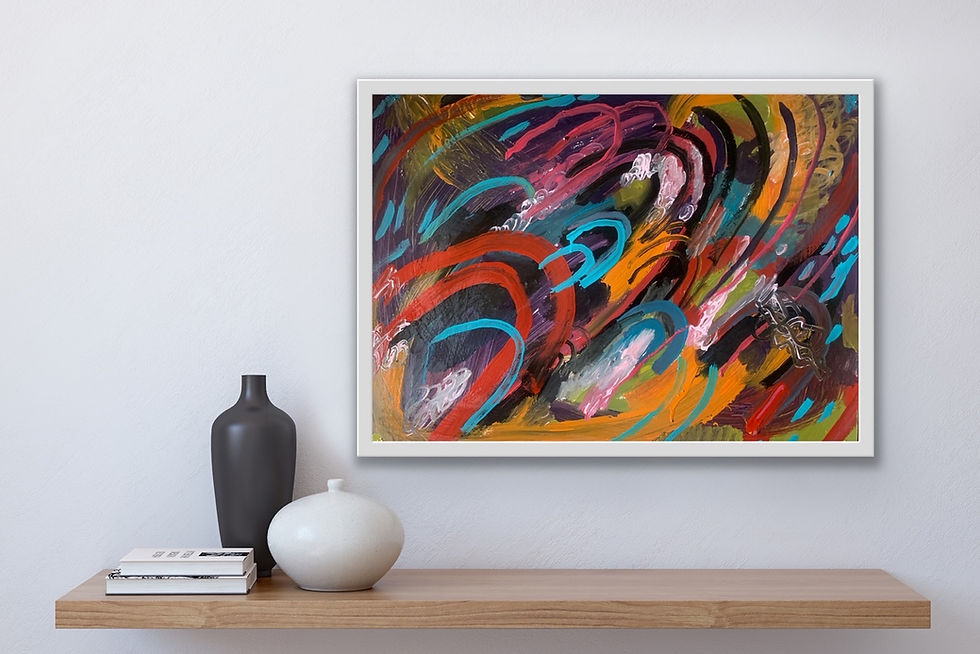
I carry these ideas into everything I do—from one-on-one massage sessions to group facilitation, and even into the paintings and drawings I create in my studio. If you’d like to see, feel, or experience more, please reach out. I’d love to connect and share this work with anyone who’s curious.

IN THE ZEITGEIST WITH MY FATHER
6 FOOT X 6 FOOT
2025
ACRYLIC ON CANVAS


Comments